

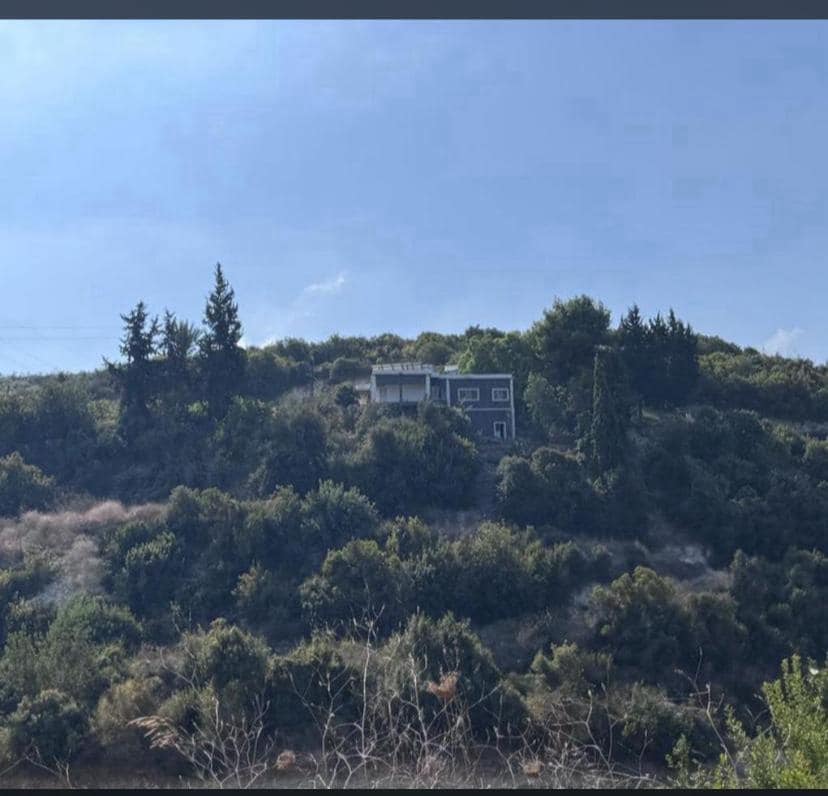
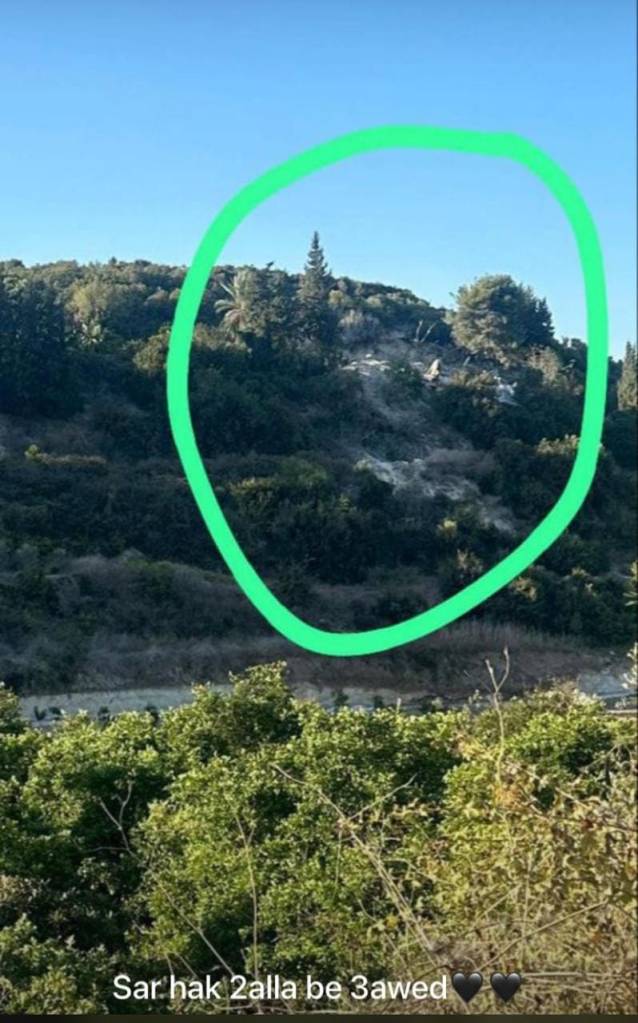
Hanna Bazzi stood in her kitchen in Dearborn, Michigan, staring at the images on her phone, her heart heavy with grief. The pictures showed the ruins of her sister’s house in Southern Lebanon—a home that had stood as a testament to decades of hard work and devotion. Now, it was nothing more than crumbled stone and broken memories, reduced to rubble by bombs.
Her phone buzzed again, another message from her sister, Layla, who still lived in Lebanon with her children and husband. Hanna could almost hear the anguish in her sister’s words as she read the message aloud:
“This is my sister’s house. My American sisters and her American children’s house, on grandparents’ land. This house was built over decades with the sweat and energy of farming the land. My brother-in-law and his dad spent decades farming their land and building a two-story building nestled among their trees and up the hill from their farming land. This was not built with American-earned money. American money and American bombs destroyed it.”
Hanna’s voice cracked as she spoke, her chest tightening. The weight of her sister’s words hit her like a tidal wave. Layla’s American children, her nieces and nephews—kids born in the same country that had provided them safety and opportunity—were now watching the destruction of their ancestral home, paid for with American dollars.
It wasn’t just a house. It was their family’s history, built stone by stone by Layla’s husband and his father. They had poured their lives into that land, farming the fields that surrounded the house, planting trees that would outlive them, a legacy passed down through generations. Hanna remembered visiting the house as a child, running through the fields, the smell of freshly baked bread wafting from the kitchen, the olive trees standing like sentinels along the hillside. It had been a place of peace in a land too often torn by conflict.
Now, all of that was gone. Reduced to dust in the name of politics, of war, of decisions made in distant capitals.
Hanna sat down at the table, her hands trembling. The anger bubbled up inside her, a deep, raw fury at the injustice of it all. She was an American citizen, just like her nieces and nephews. Yet the same country that promised her freedom and opportunity was funding the bombs that destroyed her family’s home, thousands of miles away.
The headlines in the news spoke of war, of strategic strikes, of collateral damage. But this was no collateral damage. This was personal. This was her family, her blood, their home. How could the world watch in silence while lives were torn apart?
She thought about her sister’s message again. “American money and American bombs destroyed it.” The words stung like a slap in the face. Hanna had always believed in the American dream, in the values of freedom and democracy. But what kind of dream was this, where bombs funded by her own country were used to destroy everything her family had built?
Her mind raced back to the last time she visited Lebanon. The house had been full of life then—her sister’s children running through the yard, their laughter echoing off the hills. The warmth of the sun on her face as she sat beneath the old walnut tree with Layla, sharing stories of their childhood. That world seemed so far away now, buried under the weight of destruction.
Hanna’s eyes filled with tears, but behind the grief was a simmering resolve. She couldn’t sit by silently. She couldn’t let her family’s story, their pain, be just another casualty in a war that seemed to have no end. She had to speak up, to tell the world about the house that was destroyed not by faceless enemies, but by policies and decisions made by the very government she called her own.
She opened her laptop and began typing, her fingers flying across the keys. She wrote about the house, the land, the decades of hard work her brother-in-law and his father had put into building it. She wrote about the trees, the fields, the memories they had made there. And she wrote about the bombs, the destruction, the devastating silence from those who could have made a difference.
She would make sure the world knew that this wasn’t just about politics or war. It was about real people, real lives being torn apart. Hanna was determined to break through the silence, to ensure that the voices of her family—her sister, her nieces and nephews, their ancestors—would not be drowned out by the sounds of bombs and the indifference of the world.
She hit “send,” knowing that it was just the beginning. Her words might not change the world overnight, but they were a start. And in that moment, Hanna vowed to fight for her family’s story, to make sure that their home, their legacy, would not be forgotten.

 Dearborn Blog