

By [Your Name], August 2025
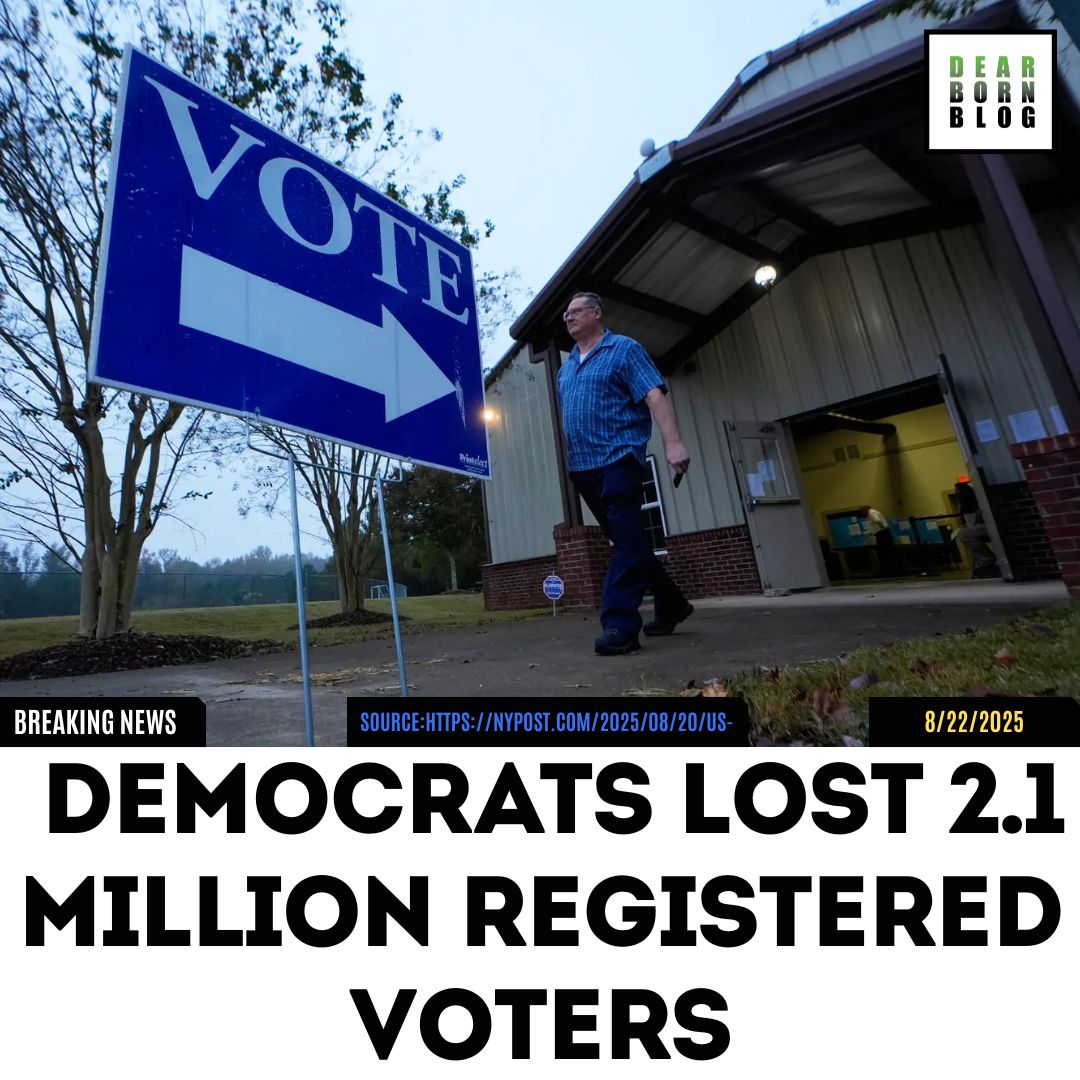
A New York Post analysis reveals a startling trend: between 2020 and 2024, over 2 million voters left the Democratic Party, while about 2.4 million joined the GOP across 30 tracked states. This reversal has cut the Democrats’ registration advantage from around 11% to just above 6%. This shakeup stretches even into traditionally blue states like California and New York, signaling a systemic challenge to Democratic stability.
A Green Alternative Gains Ground
This voter realignment isn’t just a two-party story—third-party alternatives, especially the Green Party, are quietly growing. While still small in scale, recent data shows the Green Party holds nearly 250,000 registered voters nationally, showing it’s the second-largest third party by registration. Wikipedia
Moreover, in the 2024 presidential election, Jill Stein earned over 860,000 votes (0.56%), and the Green Party finished third nationwide—its best showing in decades. Wikipedia
Why This Matters for Dearborn
- Political volatility could reshape creative, issue-based organizing here, opening space for voices grounded in ecological justice, social equity, and grassroots democracy.
- Young, diverse, and issue-driven voters—especially Arab Americans, Muslim Americans, and younger generations—are showing increasing openness to third-party solutions as traditional party loyalty wanes.
- Significant thresholds were cleared: Green candidates gained ballot access and elected posts in key states like Michigan—potentially shifting local electoral dynamics. www.gp.org
What’s Next?
- Democrats need to shore up voter engagement before 2026, especially among disenchanted groups.
- The Green Party has an opening—but growth depends on building infrastructure, deepening messaging, and sustaining presence beyond symbolic presidential runs.
- As Dearborn remains a political bellwether, these shifts may foreshadow broader changes in how communities engage civically.

 Dearborn Blog