

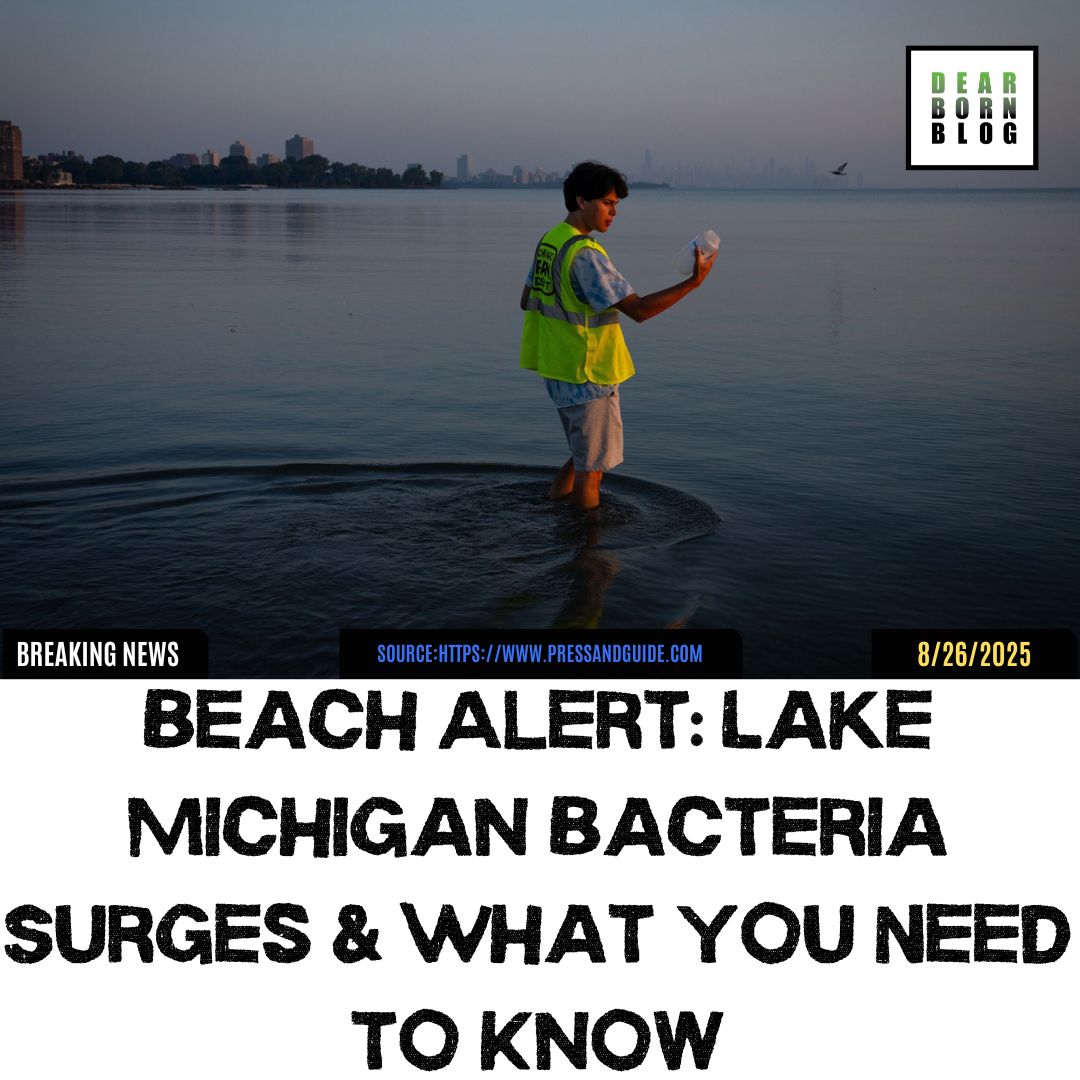
Recent reports show that Michigan beaches—and many across the Great Lakes—faced dangerous bacteria levels this summer, prompting closures and advisories that impact local swimmers and outdoor lovers.
Scope of the Issue
According to a report from Environment Michigan’s Safe for Swimming? dashboard, a staggering 71% of Great Lakes beaches were unsafe for swimming at least one day in 2024 due to high pathogen levels. Additional reports confirm that almost two dozen Michigan beaches remained under contamination alerts heading into the early August weekends.
Why Beaches Become Unsafe
State health officials from EGLE explain that contamination primarily stems from fecal bacteria, often after heavy rainstorms. This runoff can carry animal waste, sewage overflow, and other pollutants into shoreline waters. EGLE’s MiEnviro portal—known as BeachGuard—now offers real-time maps, alerts, and signup options for local advisories.
Safety Standards & Monitoring
Michigan law requires that water be tested via multiple samples:
- The daily geometric mean must stay below 300 E. coli per 100 ml to be deemed safe.
- A 30-day average must remain under 130 E. coli per 100 ml, or the beach must remain closed.
What You Should Do
- Check before you go. Use the BeachGuard tool for current conditions.
- Avoid swimming after rain—stormwater runoff quickly raises contamination risks.
- Watch for posted advisories on-site; even if the water looks clear, danger may linger.
Why It Matters for Dearborn
Many Dearborn residents escape to Lake Michigan for summer fun—but elevated bacteria levels pose real threats: from stomach upset to sore eyes, ears, or lungs. The state’s growing monitoring network helps—but awareness is our best defense. Our community should prioritize water safety vigilance as summer continues.

 Dearborn Blog