

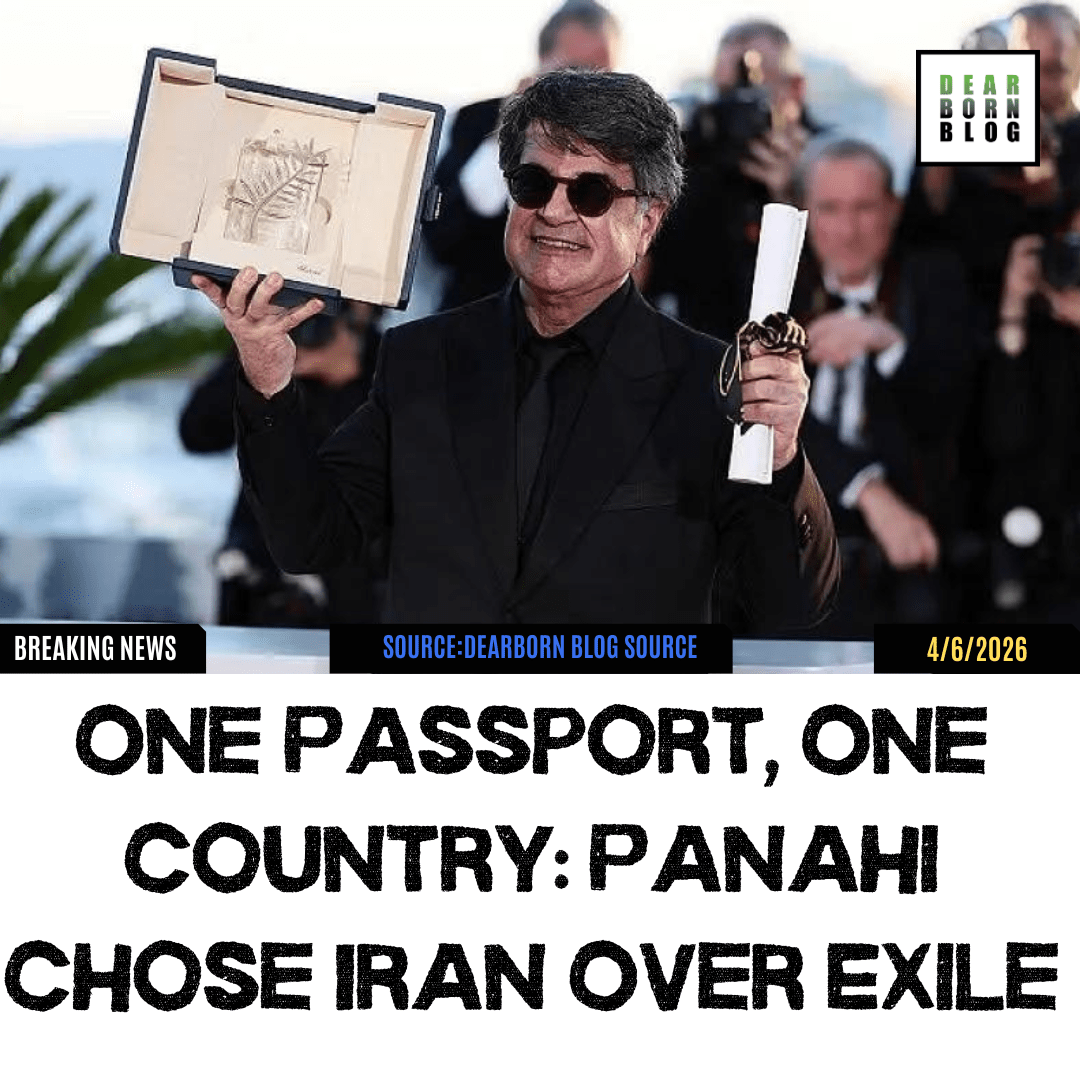
In an era when many artists facing repression choose exile, Iranian filmmaker Jafar Panahi made a strikingly different decision. Despite years of travel restrictions, imprisonment, and professional bans, Panahi repeatedly chose to remain connected to his country. His journey—from global film acclaim to courtroom sentences and back again—has become one of the most compelling stories in contemporary cinema.
Panahi’s story is not simply about filmmaking. It is about artistic persistence, political pressure, and the complicated relationship between artists and the states they live under. For audiences around the world, his work represents both cinema and resistance.
From Acclaimed Director to Global Symbol
Jafar Panahi first rose to international prominence in the 1990s as part of the Iranian New Wave of cinema. His early films were praised for their realism, emotional depth, and focus on everyday life inside Iranian society.
Films such as The White Balloon (1995), The Circle (2000), and Offside (2006) earned him global recognition and multiple international awards. These works portrayed ordinary people navigating social rules, often focusing on women and marginalized voices.
But Panahi’s international success eventually collided with political realities inside Iran. Authorities accused him of producing films that criticized social and political conditions.
As Panahi once said:
“Cinema for me has always been a way to reflect life as it is lived.”
Filmmaking Under Restriction
In 2010, Panahi was arrested and later sentenced to prison and banned from filmmaking and traveling abroad for twenty years. Despite these restrictions, he continued making films in unconventional ways.
His documentary-style film This Is Not a Film (2011) was famously smuggled out of Iran on a USB drive and premiered at the Cannes Film Festival. Later works such as Taxi (2015) were filmed discreetly inside Tehran.
These films not only earned awards but also turned Panahi into a symbol of artistic resistance worldwide.
Panahi’s “Triple Crown” Festival Achievement
Jafar Panahi is among the few filmmakers to win major prizes at the three most prestigious European film festivals:
- Golden Lion – Venice Film Festival
- Golden Bear – Berlin International Film Festival
- Caméra d’Or – Cannes Film Festival
The Sentence and the Global Reaction
Panahi’s legal struggles drew widespread international attention. Film festivals, artists, and human rights organizations repeatedly called for his release whenever he was detained.
In 2022, Panahi was again imprisoned after protesting the detention of fellow filmmakers. The arrest triggered renewed international criticism and solidarity campaigns from filmmakers and cultural institutions worldwide.
As supporters often emphasize:
“An artist’s freedom is inseparable from the freedom of society.”
Choosing Return Over Exile
For many artists facing political pressure, exile becomes the only path forward. Yet Panahi repeatedly returned to Iran even when he had opportunities to remain abroad.
This decision surprised many observers. Remaining inside the country meant living under constant scrutiny and facing the possibility of further legal consequences.
Supporters argue that Panahi’s choice reflects a deep commitment to telling stories rooted in Iranian society rather than from a distance.
Solidarity Across the Film World
Throughout his legal struggles, Panahi has received support from major figures in global cinema. Directors, actors, and film festivals have repeatedly called for his freedom and praised his determination to continue working despite restrictions.
International screenings of his films often include discussions about artistic freedom and the challenges faced by filmmakers working under political pressure.
Key Legal Timeline
2010 – Panahi arrested and banned from filmmaking and travel.
2011 – This Is Not a Film premieres internationally.
2015 – Taxi wins the Golden Bear at the Berlin Film Festival.
2022 – Panahi detained again following protest actions.
Why Panahi’s Story Matters
The story of Jafar Panahi highlights the enduring power of cinema even under severe limitations. His films demonstrate that storytelling can persist even when conventional production becomes impossible.
For audiences and filmmakers alike, Panahi’s career raises enduring questions about artistic freedom, cultural identity, and the role of cinema in documenting social reality.
Whether viewed as a filmmaker, a dissident voice, or a symbol of artistic resilience, Panahi’s work continues to shape conversations about the relationship between art and power.
Sources
Iran International – April 1, 2026
RFE/RL via Juan Cole
Variety – December 2025
Democracy Now!
Iran International – December 4, 2025
Wikipedia – Jafar Panahi
France 24
The Guardian
Deadline
Variety – May 2025
Euronews
Ham Mihan (via Suleiman Ahmad)
World of Reel
Note: All facts in this article are sourced from public records, verified news outlets, and publicly accessible social media posts. This article is intended for public awareness and journalistic inquiry, not legal accusation. For questions or corrections, please contact info@dearbornblog.com.

 Dearborn Blog